


Tansi/Hello — You showed up. I am grateful.
I have 8,310 readers. 531 paying. That is amazing, but there’s still a big gap. And it’s the weight I carry every day.
There are those in power, those with influence and those with dangerous agendas that don’t want these viewpoints told.
But these stories exist because I refuse to let them disappear. I have spent 15 years on the ground; I have built the trust and repertoire that barely exists anywhere else. Which is why you won’t find this kind of coverage, the way I do it, anywhere else.
I need you in this with me now more than any other time.
That’s what reconciliation looks like from where I’m standing.
Step into the fire with me.
Become a paid subscriber, hiy hiy:
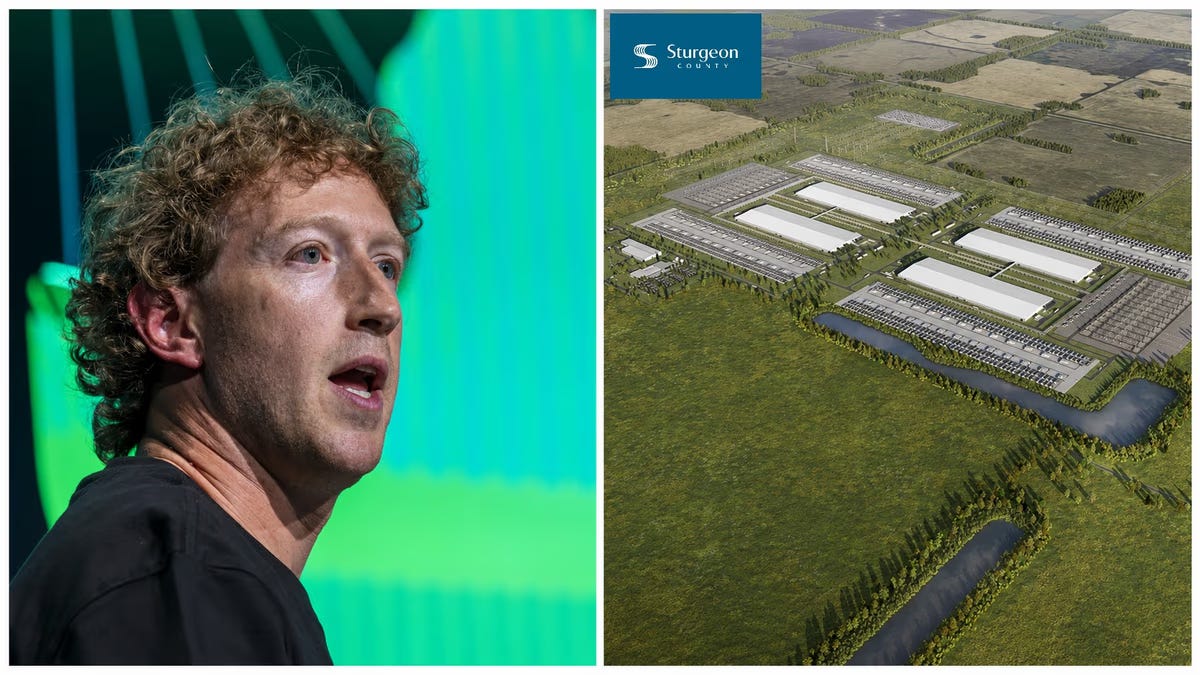
This week, Meta announced it’s breaking ground on its first-ever data center in Canada. It’s going up in Sturgeon County, just northeast of Edmonton — on Treaty 6 territory. A $13-billion, one-gigawatt AI complex, the size of 33 CFL fields, and Meta’s largest outside the United States. Premier Danielle Smith called it proof that Alberta is “well on the way to becoming a central player at the heart of the AI revolution.”
Of course she did. This is what Alberta does. When the old resource starts running out of road, it finds the next one, and sells whatever’s left of itself to get there first. Oil yesterday. AI today.
Alberta has always been prosperous because of oil. But the oil has done its damage, and the world is moving on from it — slowly, imperfectly, but moving. Global CO2 emissions hit a record high again in 2025, nearly 38.4 billion tonnes, with atmospheric concentrations now more than 50 percent above pre-industrial levels. Scientists say the remaining carbon budget to hold warming to 1.5 degrees will likely be gone before the end of the decade. Even the International Energy Agency now projects global oil demand will peak around 2030 and decline from there, with China’s appetite already flattening as EVs and clean energy take over. That’s the market Alberta wants to build a new, multibillion-dollar pipeline into.
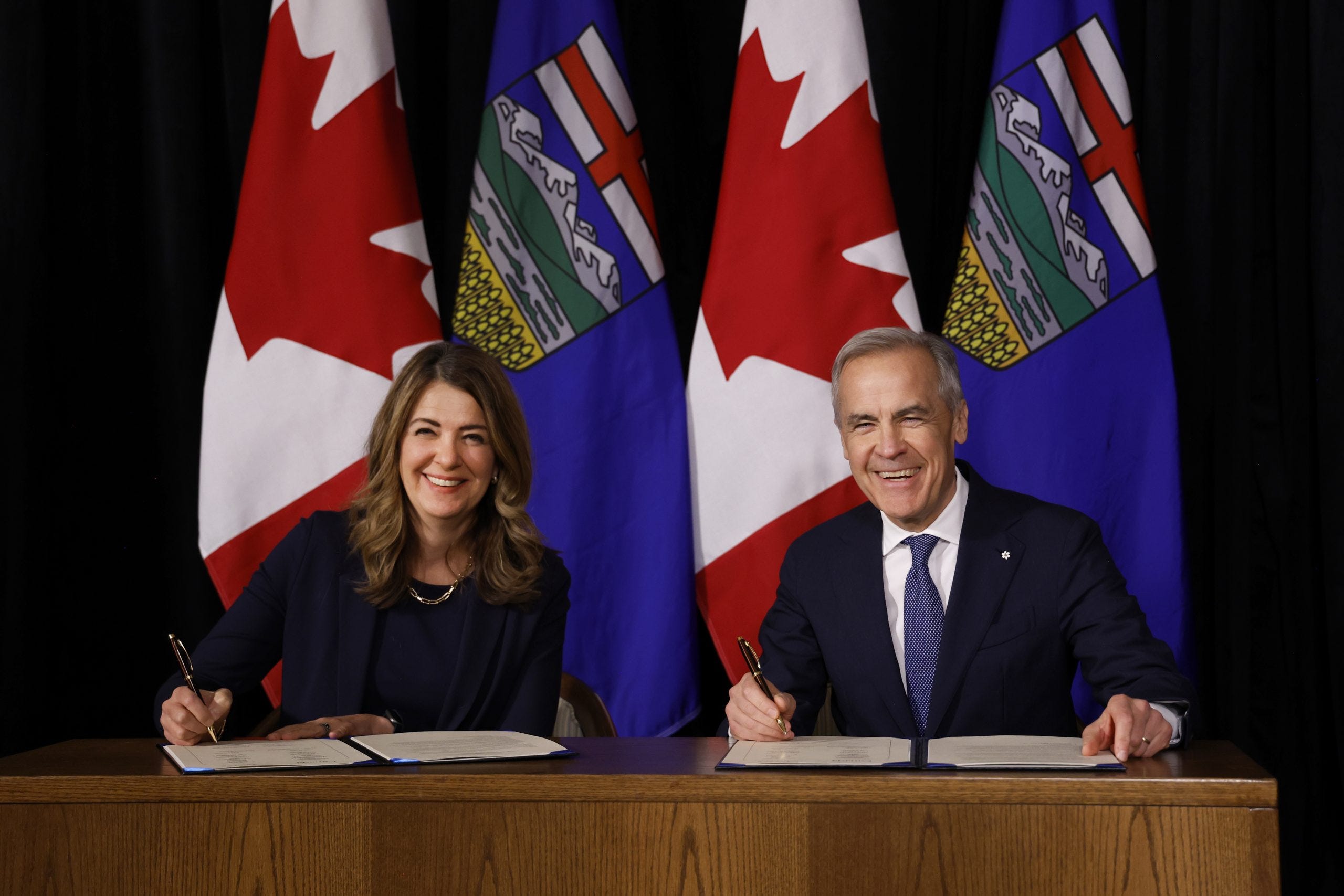
And this is the backdrop Prime Minister Mark Carney chose to cave against. Last November, facing pressure from Smith and the oil and gas lobby, he signed a memorandum of understanding that scrapped the federal cap on oil and gas emissions outright, gutted clean electricity rules, and softened industrial carbon pricing — all in exchange for Alberta’s cooperation on a carbon capture megaproject and a pipeline. Since then, Smith has kept the pressure on, wrapping every ask in the language of a “national unity crisis,” with an October referendum on Alberta separation hanging over Ottawa the entire time. Carney has responded not by holding a line, but by picking a side — fast-tracking approvals through his new Major Projects Office, standing beside Smith in Calgary to unveil pipeline routes, and treating Indigenous consultation as a box to check after the fact rather than a legal obligation to meet first. Pembina Institute’s Chris Severson-Baker said this is a pipeline being built for political reasons, not economic ones. Even Alberta’s own polling shows most Albertans don’t support spending public money on it. Carney gave up the climate policy anyway.
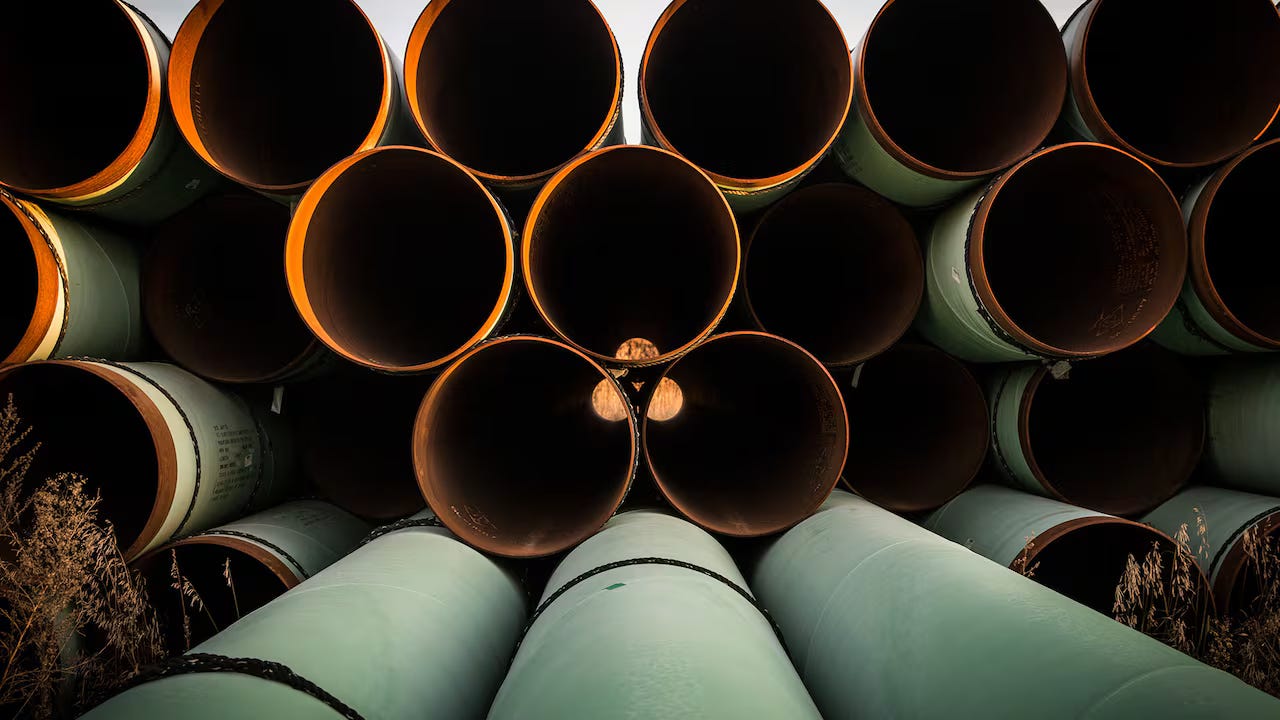
Yet here’s the part that should make every one of us furious: after a year of both governments insisting a private company would have to pay for this pipeline, no private company showed up. So Albertan and Canadian taxpayers are now on the hook for roughly 90 percent of it — tens of billions of dollars, funnelled through the federally owned Trans Mountain Corporation and Alberta’s own Petroleum Marketing Commission, with Pembina holding just a 10 percent private stake. We are funding our own demise. Who said we wanted to?
And despite all of that, Smith is milking what’s left of the oil regardless — despite what it’s already done to communities like Fort Chipewyan, where I’ve spent years reporting on cancer rates the community’s own health study now puts at nearly 150 cases between 1993 and 2022, affecting six in ten Mikisew Cree households in a nation of roughly 780 people living on reserve. Children have died of cancer there too. The water is so contaminated that people now pack more water than gas when they head out on the land.
That’s the cost of “Alberta advantage.” That’s what got buried under this week’s headlines about jobs and investment.
And now there’s a new resource to sell: data. Compute. AI. Same playbook, new packaging.
The jobs pitch is already out — 3,000 construction jobs at peak, 300 permanent ones once the lights come on. It’s always the jobs. It’s always the cover. But jobs don’t last forever. The damage does.
Here’s what “AI revolution” actually means for Alberta:
The grid gets squeezed, and Albertans pay for it — while oversight disappears.
The Meta complex will draw close to as much power as the entire city of Edmonton. It’ll be run largely on a new natural gas plant — not the clean grid Ottawa keeps pointing to when it talks up Canada’s AI ambitions. Alberta’s grid is already about 60 percent gas, with emissions intensity nearly five times the national average. The Pembina Institute has already warned that data centre demand, stacked on top of rising LNG exports, will drive up power prices for ordinary Albertans who will never see a cent of that $13 billion. And this isn’t happening with more scrutiny — it’s happening with less. Alberta has quietly exempted multiple AI data centre projects from provincial environmental impact assessments this year, including Kevin O’Leary’s Wonder Valley project near Grande Prairie- the largest of its kind in the world- which is set to draw 7.5 gigawatts of power and 24 million cubic metres of water a year with no formal environmental review at all. The same pattern has played out with data centres proposed near Olds and elsewhere. Alberta’s own November MOU with Ottawa built in exemptions from federal clean electricity rules specifically so gas-powered data centres could skip that scrutiny too.
Jobs come, then they leave — and some never show up at all. Construction jobs are temporary by design. A complex built to run on automation and machine learning isn’t going to be a long-term employment engine for the people of Sturgeon County. Meanwhile, the AI these facilities power is the same AI already displacing writers, customer service workers, and analysts across the economy. Alberta is building the infrastructure for the very technology that’s hollowing out other people’s jobs, and calling it a jobs plan.
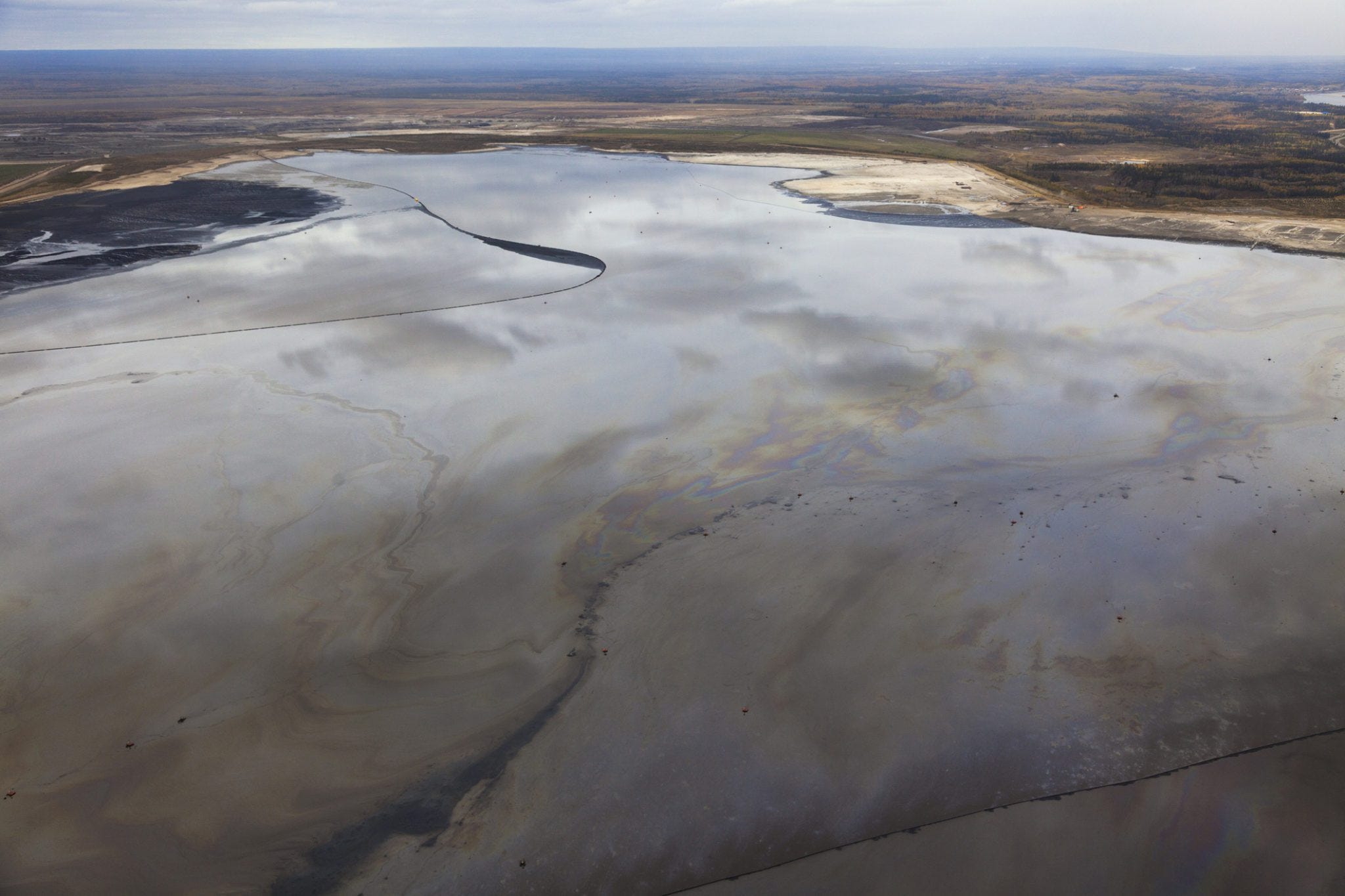
And then there’s the water, the land, and the people nobody consulted. Meta says its cooling system will use less water than a golf course. Maybe. But this is happening in a province currently fast-tracking a plan to let oil sands companies treat and release toxic tailings directly into the Athabasca River system — the same river Fort Chipewyan depends on. It’s happening while Alberta pushes a second pipeline at the same time as the West Coast line: the proposed “Northern Shield” corridor to Ontario, which the Anishinabek Nation says it learned about the same way the rest of us did — from a press release. The Mushkegowuk Council in northern Ontario has said it feels invisible in these conversations, even as pipelines are planned straight through its territory.
This is the pattern. Announce the project. Promise the jobs. Consult, if at all, after the route is already picked. It happened with Northern Gateway. It’s happening again now, at faster speed, with more zeros on the price tag, and an AI industry desperate enough for power that provinces like Alberta don’t even have to ask twice.
Danielle Smith wants you to believe Alberta is becoming a “central player” in the future. What she means is Alberta is still willing to be the sacrifice zone, as long as someone else cashes the cheque.
Brandi Morin is a multi-award-winning Cree/Iroquois/French journalist from Treaty 6 territory in Alberta. She is the founder of Indigenous Insider on Substack and the author of the national bestselling memoir Our Voice of Fire. Her work has appeared in National Geographic, The Guardian, Al Jazeera English, the New York Times, Rolling Stone, the BBC, and more.
If this work matters to you, become a paid subscriber. These stories exist because you make them possible. Hiy hiy.
Sources:
- [Meta: Breaking Ground on Meta’s First Data Center in Canada](https://about.fb.com/news/2026/07/breaking-ground-on-metas-first-data-center-in-canada/)
- [CBC News: Meta building its first Canadian data centre northeast of Edmonton](https://www.cbc.ca/news/canada/edmonton/meta-data-centre-sturgeon-county-alberta-9.7263271)
- [CBC News: How Meta plans to cut down on water use at its massive Alberta data centre](https://www.cbc.ca/news/canada/calgary/meta-cuts-water-use-9.7264941)
- [Wealth Professional: Big tech picks Alberta for $13 billion data centre, its first in Canada](https://www.wealthprofessional.ca/news/industry-news/big-tech-picks-alberta-for-13-billion-data-centre-its-first-in-canada/392939)
- [CBC News: Alberta-Ontario pipeline proposal faces criticism over costs, need and lack of Indigenous consultation](https://www.cbc.ca/news/canada/sudbury/alberta-ontario-pipeline-proposal-9.7263248)
- [CBC News: Alberta’s pipeline deal could allow Canadian oil to reach new countries. But will they want it?](https://www.cbc.ca/news/science/pipeline-asia-electic-vehicle-oil-9.7260221)
- [Times Colonist: Alberta submits plans and announces partners for new pipeline to B.C. coast](https://www.timescolonist.com/local-news/carney-to-meet-with-eby-in-as-smith-plans-pipeline-announcement-12499581)
- [CBC News: Ford, Smith unveil plan for new ‘Northern Shield’ oil pipeline between Alberta and Ontario](https://www.cbc.ca/news/canada/calgary/bakx-northern-shield-ontario-alberta-oil-9.7259820)
- [CBC News: Alberta government to announce details for West Coast pipeline proposal](https://www.cbc.ca/news/canada/edmonton/alberta-west-coast-pipeline-9.7255594)
- [Marine Link: Carney Changes Climate Requirements in Energy Deal with Alberta](https://www.marinelink.com/news/carney-changes-climate-requirements-532949)
- [The Narwhal: Canada is crossing off an oil and gas wish list](https://thenarwhal.ca/build-canada-list-requests-carney/)
- [Canada’s National Observer: A pipeline to nowhere — Carney’s dangerous political game](https://www.nationalobserver.com/2026/07/10/opinion/carney-alberta-pipeline-west-coast-economics)
- [The Energy Mix: Mikisew Cree First Nation Sues Ottawa, Alberta Over Oil Sands Health Impacts](https://www.theenergymix.com/mikisew-cree-first-nation-sues-ottawa-alberta-over-oil-sands-health-impacts/)
- [Canada’s National Observer: Alberta scraps environmental assessment for Kevin O’Leary’s ‘world’s largest’ data centre](https://www.nationalobserver.com/2026/04/03/news/alberta-scraps-environmental-assessment-kevin-olearys-worlds-largest-data-centre)
- [IEA: Global Energy Review 2026 — CO2 Emissions](https://www.iea.org/reports/global-energy-review-2026/co2-emissions)
- [Global Carbon Budget: Fossil fuel CO2 emissions hit record high in 2025](https://globalcarbonbudget.org/fossil-fuel-co2-emissions-hit-record-high-in-2025/)
The central injustice is brutally simple: Treaty 6 territory is treated as First Nations land when governments want to acknowledge history, but as Alberta’s land when corporations want to build on it. Meta can arrive with a $13-billion project, governments can celebrate, permits can move forward and infrastructure can be committed, yet the Treaty Nations whose lands, waters and rights may be affected are excluded from the decision. That is not reconciliation. It is colonialism dressed in the language of investment, innovation and economic growth.
The legal distinction between Treaty territory and ownership of a specific parcel has become a shield behind which governments hide. They argue that First Nations do not hold a veto, that consultation does not necessarily require consent, and that development may proceed once the Crown has completed whatever process it considers sufficient. But consultation that begins after the project has been negotiated, announced and politically celebrated is not meaningful consultation. It is notification. It asks First Nations to respond to a decision already made, while Meta and Alberta retain the power, the money and the timetable.
And the most damning question remains this: if Treaty rights are constitutionally protected, why must First Nations spend their own money going to court merely to force governments to speak to them before transforming their territory? A right that exists only after years of litigation is not a right being honoured; it is a right being resisted. Governments know that court cases are costly, exhausting and slow, while corporations continue building momentum on the ground. That imbalance is not accidental. It is how the system allows development to proceed first and justice to be argued about later.
Was there any push back from Edmonton/indigenous communities?